

Common signs
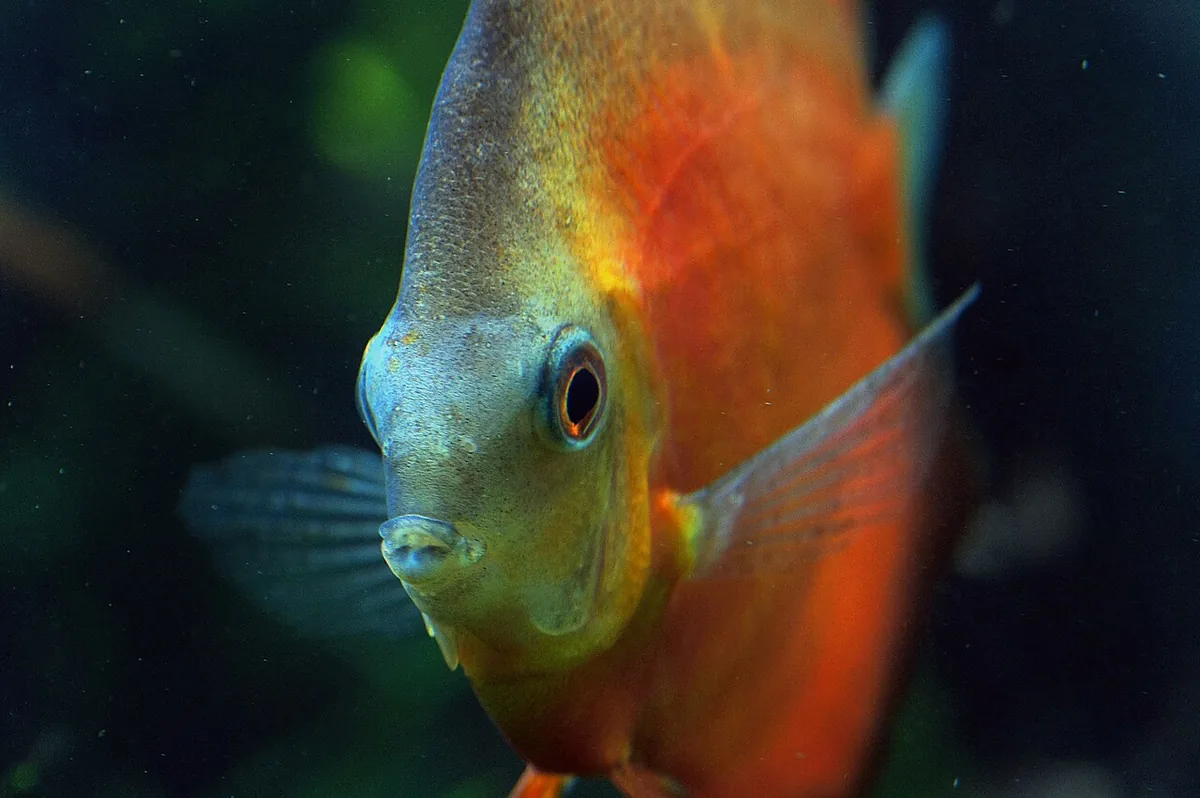
- Small pits, holes, or erosion around the head, face, or lateral line.
- Loss of condition, reduced appetite, or faded color in some fish.
- White stringy waste may appear in some cases but is not specific by itself.
Most useful clues
- Pits or erosions around the head, face, or lateral line.
- Loss of condition, faded color, or reduced appetite.
- Progression over days to weeks rather than one clean scrape.
Monitor closely
What to check first
Review promptly if pits spread, become open wounds, appetite drops, or the fish loses condition. Chronic mild pits still deserve husbandry review.
- Test ammonia, nitrite, nitrate, temperature, and pH, because water stress can mimic or worsen many disease signs.
- Review diet variety, vitamin sources, and food freshness.
- Document lesions with repeat photos to track spread or healing.
Possible causes
- Chronic poor water quality, nutrition gaps, stress, or parasite involvement.
- Activated carbon dust, high dissolved organics, or long-term husbandry issues may be discussed as contributors.
- Species sensitivity, especially in some cichlids and marine fish.
How to tell it apart
- Single mark after collision or aggression.
- Multiple pits along the head or lateral line suggest a syndrome.
- Redness, ulcers, swelling, or fast tissue loss.
- Chronic shallow pits without redness may need broader husbandry review.
What to check next
- Test ammonia, nitrite, nitrate, temperature, and pH, because water stress can mimic or worsen many disease signs.
- Review diet variety, vitamin sources, and whether food quality has changed.
- Look for pits along the lateral line rather than simple scratches or scars.
Care steps to consider
- Improve water quality, nutrition, and stress reduction as the first husbandry review.
- Document changes with photos over time because progression is important.
- Ask an experienced professional if erosion spreads or the fish stops eating.
Photo checklist
- Take close head and lateral-line photos.
- Use the same angle over time to track progression.
- Include body condition and color changes.
Common mistakes to avoid
- Treating it as one exact disease without reviewing water, diet, and stress.
- Waiting until shallow pits become open wounds.
Species and tank notes
- Cichlids and some marine fish are commonly discussed with head and lateral line erosion.
- Long-term husbandry issues can matter more than a single visible spot.
When to get expert help
- Fast erosion, open wounds, or major appetite loss need closer help.
- Chronic mild pits still deserve husbandry review before they progress.
Prevention tips
- Provide stable water, varied species-appropriate food, and low-stress stocking.
- Avoid letting maintenance lapses become long-term chronic stress.
Related guides
Related symptoms
FAQ
Frequently asked questions
01Is hole-in-the-head one exact disease?+
It is often a syndrome with several possible contributors, so water, diet, stress, and parasites may all need review.
02Can pits heal?+
Some cases may improve when underlying stressors are corrected, but deep erosion can leave scarring.
03What should I check first for Hole-in-the-Head Disease in Fish?+
Start with this check: Review water, diet, stress, and lesion progression. Then compare the visible signs with behavior and tank history before relying on a photo match.
04When is Hole-in-the-Head Disease in Fish urgent?+
Review promptly if pits spread, become open wounds, appetite drops, or the fish loses condition. Chronic mild pits still deserve husbandry review.
05What can look similar to Hole-in-the-Head Disease in Fish?+
Compare it with Injury or scrape, Bacterial infection. The key is to match the full pattern: body area, behavior, breathing, spread speed, and water-test context.
06What photos help review Hole-in-the-Head Disease in Fish?+
Take close head and lateral-line photos. Also check use the same angle over time to track progression.
07What common mistake should I avoid with Hole-in-the-Head Disease in Fish?+
Treating it as one exact disease without reviewing water, diet, and stress. Also check waiting until shallow pits become open wounds.
Fish Disease Identifier provides educational guidance and possible matches from photos. Results are not veterinary advice and may be wrong. For severe, worsening, or unclear symptoms, consult an aquatic veterinarian or experienced aquarium professional.
Review notes
Sources and limits
This guide is educational and helps narrow possible matches. It is not a veterinary diagnosis, and urgent breathing, swelling, collapse, or tank-wide distress should not wait for photo confirmation.
Read more about safety limits and educational use on the About page.
Last content review: 2026-07-01
Fish Disease Identifier
Still not sure what your fish has?
Scan a photo in Fish Disease Identifier and get likely disease matches, possible causes, and next steps to consider.
Educational only. Not veterinary advice.