

Photo evidence and limits
Compare the same fin over time
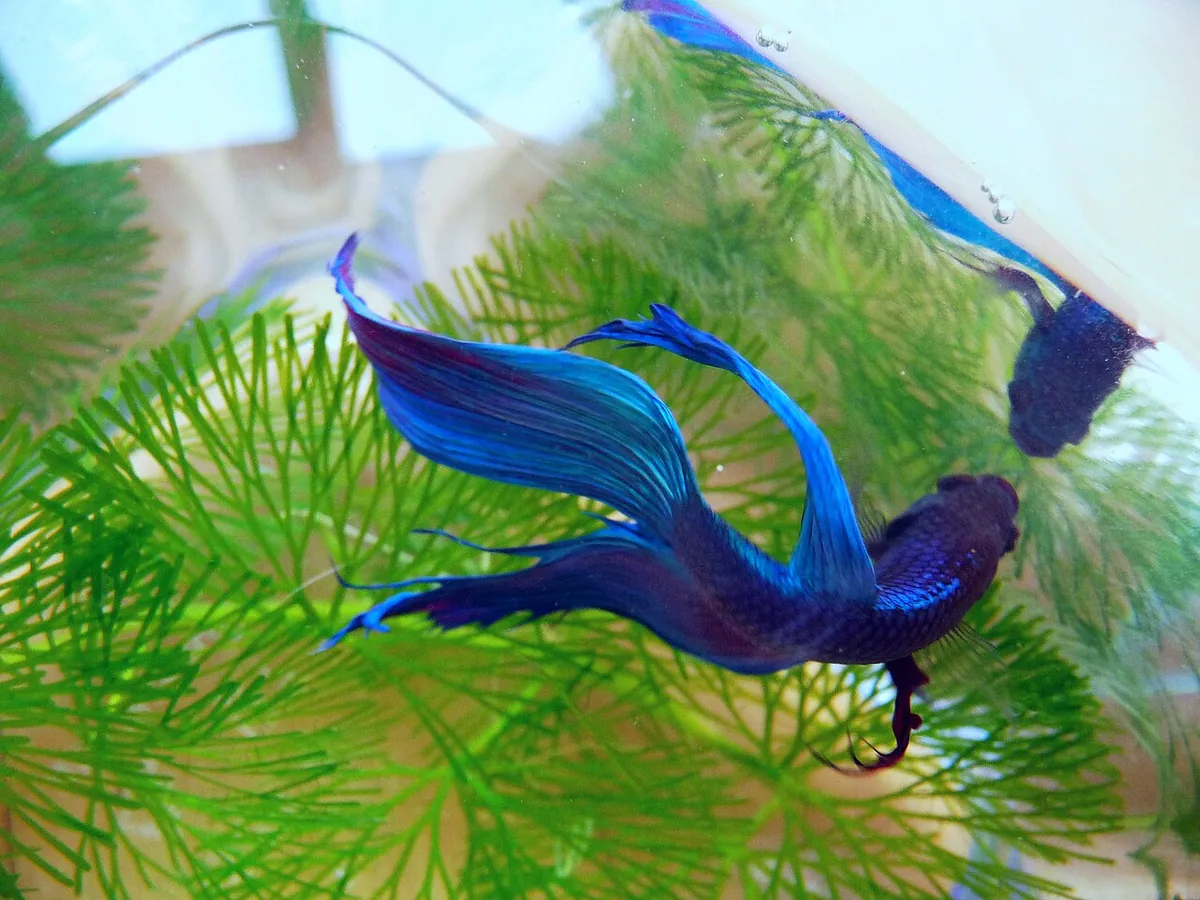
The betta above shows fin shape, not a confirmed tear or fin rot. Record both sides of the fin and note any observed nipping, netting, or sharp decor. A single missing piece cannot establish the cause; continued edge loss, redness, or a change in activity calls for closer review.
What to look for
- Clean splits often suggest physical damage.
- Ragged, shrinking, pale, or dark edges may match fin rot.
- Red bases or lethargy can signal a more serious problem.
Most useful clues
- Clean splits, missing fin pieces, ragged edges, or shrinking fin margins.
- Pale, dark, or red fin edges may suggest irritation or infection.
- Bullying, nipping, sharp decor, or strong intake may be visible in the tank.
Monitor closely
What to check first
Monitor minor clean splits if the fish is active and water is normal. Same-day review is safer if fin loss progresses, edges discolor, bases redden, or the fish becomes lethargic.
- Test ammonia, nitrite, nitrate, temperature, and pH.
- Watch tank mates during feeding, resting, and lights-out transitions.
- Inspect decor, filter intakes, hardscape, and transport or netting history.
Possible causes
- Fin nipping, aggression, sharp decorations, or filter intake injury.
- Fin rot or bacterial infection after stress.
- Poor water quality slowing healing.
How to tell it apart
- Clean splits, aggressive tank mates, sharp decor, or sudden damage.
- Continued tissue loss or new inflammation needs infection assessment too; repeated injury can also worsen the edge.
- Ragged shrinking edges, pale or dark rim, red bases, or lethargy.
- Single clean tear with stable edges and normal behavior.
- Cottony patches, mouth or body lesions, rapid spread, or breathing changes.
- No discoloration, no spread, and a clear injury event.
What to check next
- Test ammonia, nitrite, nitrate, temperature, and pH, because water stress can mimic or worsen many disease signs.
- Watch the tank during feeding and lights-out transitions for nipping.
- Inspect decor and equipment for snag points.
Next steps to consider
- Reduce aggression and improve water quality before judging progress.
- Record the damaged edge and remove identifiable injury hazards. Seek expert help for new redness or continued fin loss rather than waiting for a photo result.
- Ask for expert help if fin loss spreads toward the body.
Photo checklist
- Take a clear side photo of both damaged and healthy fins.
- Show fin edge color and base redness.
- Include tank mates, decor, and filter intake.
Common mistakes to avoid
- Calling all torn fins fin rot without checking nipping or sharp objects.
- Ignoring water quality because the damage looks physical.
Species and tank notes
- For a betta with a new tear, inspect smooth resting surfaces, plant edges, and nearby equipment. Watch tank mates rather than assuming the missing piece proves a bite.
- Goldfish and cichlids may damage fins through chasing, spawning, or territorial behavior.
When it may be urgent
- Fin damage reaching the body, bloody bases, or lethargy needs faster action.
- Repeated nipping can become a chronic stress problem.
Related guides
Related symptoms
FAQ
Frequently asked questions
01How can I tell nipping from fin rot?+
A witnessed bite or sudden split supports injury; ongoing erosion and inflammation raise concern for infection. The two can overlap. A missing chunk alone cannot identify the cause, so compare behavior, water readings, and changes over time.
02Should torn fins be treated with medication?+
Not always. First check water quality, aggression, and injury sources; progressing damage needs expert guidance.
03What should I check first for Torn Fins on Fish?+
Start with this check: Check nipping, sharp decor, filter intake, and water. Then compare the visible signs with behavior and tank history before relying on a photo match.
04When is Torn Fins on Fish urgent?+
Monitor minor clean splits if the fish is active and water is normal. Same-day review is safer if fin loss progresses, edges discolor, bases redden, or the fish becomes lethargic.
05What can look similar to Torn Fins on Fish?+
Compare it with Mechanical tear or fin nipping, Fin rot or bacterial irritation, Columnaris-like or secondary infection. The key is to match the full pattern: body area, behavior, breathing, spread speed, and water-test context.
06What photos help review Torn Fins on Fish?+
Take a clear side photo of both damaged and healthy fins. Also check show fin edge color and base redness.
07What common mistake should I avoid with Torn Fins on Fish?+
Calling all torn fins fin rot without checking nipping or sharp objects. Also check ignoring water quality because the damage looks physical.
Fish Disease Identifier provides educational guidance and possible matches from photos. Results are not veterinary advice and may be wrong. For severe, worsening, or unclear symptoms, consult an aquatic veterinarian or experienced aquarium professional.
Review notes
Sources and limits
This guide is educational and helps narrow possible matches. It is not a veterinary diagnosis, and urgent breathing, swelling, collapse, or tank-wide distress should not wait for photo confirmation.
Read more about safety limits and educational use on the About page.
Last content review: 2026-09-22
Fish Disease Identifier
Still not sure what your fish has?
Scan a photo in Fish Disease Identifier and get likely disease matches, possible causes, and next steps to consider.
Educational only. Not veterinary advice.