

Common signs
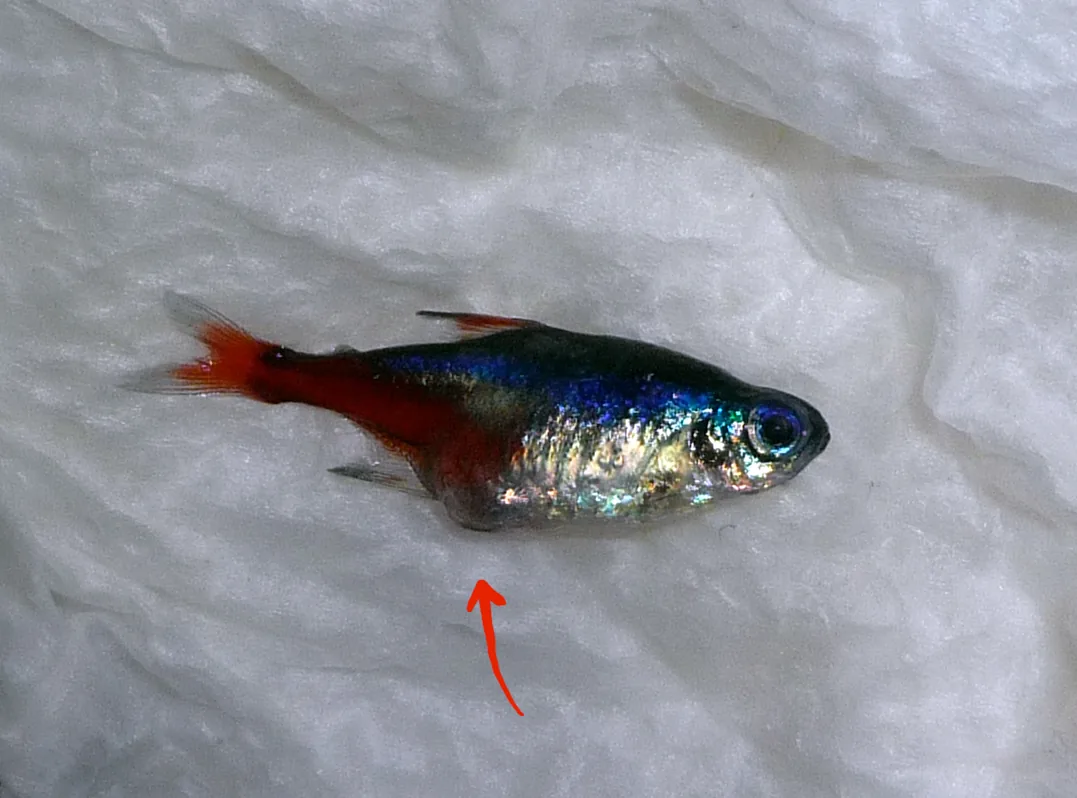
- Swollen body or belly that looks rounder than normal.
- Raised scales that can look like a pinecone from above.
- Lethargy, not eating, staying near the bottom, or labored breathing.
Most useful clues
- Raised scales that look pinecone-like from above.
- Sudden or severe body or belly swelling.
- Lethargy, not eating, bottom-sitting, or labored breathing.
Same-day concern
What to check first
Get same-day expert help for pineconing, fast swelling, appetite loss, or lethargy. Severe breathing distress or collapse should be treated as urgent.
- View from above to confirm raised scales versus simple belly size.
- Test ammonia, nitrite, nitrate, pH, and temperature.
- Check appetite, waste, recent feeding, and whether swelling is one-sided or whole-body.
Possible causes
- Internal infection, organ stress, or advanced systemic illness.
- Long-term water-quality problems or sudden environmental stress.
- Constipation, egg binding, or normal body shape can sometimes be confused with dropsy.
How to tell it apart
- Recent heavy feeding.
- Fish is still alert with no raised scales.
- Pineconing, lethargy, or rapid decline changes the urgency.
- Mature female with rounded belly and normal behavior.
- Raised scales, red marks, or systemic weakness point elsewhere.
- Weight loss, abnormal waste, or chronic decline.
- Rapid full-body fluid swelling with pineconing is less typical.
What to check next
- Test ammonia, nitrite, nitrate, temperature, and pH, because water stress can mimic or worsen many disease signs.
- Look from above for raised scales rather than only side-view belly size.
- Check whether the fish is still eating, passing waste, and swimming normally.
Care steps to consider
- Treat this as a warning sign and consider isolating the fish if it is being harassed.
- Review feeding, recent water changes, and any sudden tank events.
- For pineconing, severe swelling, or fast decline, seek help from an aquatic vet or experienced professional.
Photo checklist
- Take a top-down photo to show whether scales are raised.
- Add a side photo showing belly shape and posture.
- Include eyes, gills, scales, and any red areas.
Common mistakes to avoid
- Calling every swollen belly dropsy without checking for pineconing.
- Waiting several days when swelling is paired with lethargy or appetite loss.
Species and tank notes
- Fancy goldfish and balloon-bodied varieties can make swelling harder to judge.
- Bettas may look bloated after overfeeding, but pineconing changes urgency.
When to get expert help
- Pineconing scales with lethargy is often urgent and may have a poor outlook.
- Do not rely on a photo alone for treatment decisions in severe swelling cases.
Prevention tips
- Keep water stable, avoid overfeeding, and respond early to appetite or behavior changes.
- Quarantine new fish and reduce chronic stressors.
Related guides
Related symptoms
FAQ
Frequently asked questions
01Is dropsy always fatal?+
No outcome is guaranteed, but advanced dropsy signs can be serious. Early expert help and water-quality correction matter.
02Is a swollen belly always dropsy?+
No. Overfeeding, constipation, eggs, normal body shape, or internal parasites may also cause swelling.
03Why is pineconing more concerning than a round belly?+
Raised scales can suggest fluid imbalance or systemic illness, while a round belly alone can also come from feeding, eggs, or normal body shape.
04Can a photo confirm dropsy?+
No. A top-view photo can show raised scales, but behavior, appetite, water tests, swelling pattern, and expert review still matter.
05What should I check first for Dropsy in Fish?+
Start with this check: Look from above for pineconing scales. Then compare the visible signs with behavior and tank history before relying on a photo match.
06When is Dropsy in Fish urgent?+
Get same-day expert help for pineconing, fast swelling, appetite loss, or lethargy. Severe breathing distress or collapse should be treated as urgent.
07What can look similar to Dropsy in Fish?+
Compare it with Constipation or overfeeding, Egg-bound or gravid fish, Internal parasites. The key is to match the full pattern: body area, behavior, breathing, spread speed, and water-test context.
Fish Disease Identifier provides educational guidance and possible matches from photos. Results are not veterinary advice and may be wrong. For severe, worsening, or unclear symptoms, consult an aquatic veterinarian or experienced aquarium professional.
Review notes
Sources and limits
This guide is educational and helps narrow possible matches. It is not a veterinary diagnosis, and urgent breathing, swelling, collapse, or tank-wide distress should not wait for photo confirmation.
Read more about safety limits and educational use on the About page.
Last content review: 2026-07-01
Fish Disease Identifier
Still not sure what your fish has?
Scan a photo in Fish Disease Identifier and get likely disease matches, possible causes, and next steps to consider.
Educational only. Not veterinary advice.