Short answer
Consider separation when tankmates are injuring a fish, you need close observation, or a fish-health professional recommends it for a suspected contagious problem. Check temperature, aeration, filtration, water readings, and species needs in the temporary tank. Continue checking the main aquarium and other fish.
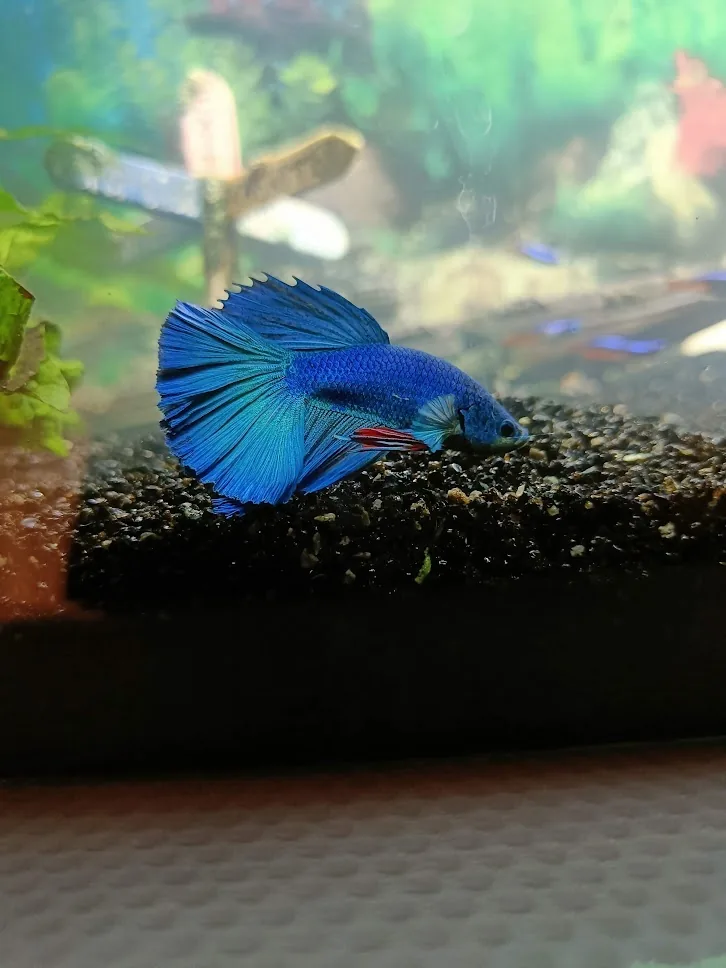
Context image only: this fish is not shown in isolation or diagnosed with an illness.
Image: NelsonNellie / CC0 1.0 / resized and cropped for layout
Decide why you would separate the fish
- If tankmates are chasing or pecking at a wound, separation may prevent further damage while you address aggression or tank layout.
- If several fish are affected or water tests are abnormal, isolating one fish will not correct the main tank. Investigate the shared environment first.
- For a suspected infectious problem, ask an aquatic veterinarian or experienced aquarium professional whether isolation, monitoring the entire tank, or both are appropriate.
Check the temporary tank before a move
- Match suitable temperature and water conditions to the species, provide aeration and appropriate shelter, and prevent escape.
- Know whether the filter is biologically established. A bare, newly filled container can develop ammonia and nitrite; monitor with dated tests.
- Use dedicated nets and other wet equipment when possible, and avoid sharing them between tanks without proper cleaning.
- Plan how you will observe appetite, breathing, wounds, and waste without repeatedly handling the fish.
Keep the main aquarium in the plan
Test the main tank and watch the remaining fish. A sick fish may be the first visible sign of a shared water, oxygen, aggression, or infectious problem.
A hospital tank helps observation and can support a professional care plan. It does not identify a disease or make any medication safe for every species, plant, or invertebrate.
Get advice when the situation is urgent
- Severe breathing distress, collapse, open wounds, rapid deterioration, or multiple affected fish deserve prompt aquatic veterinary or experienced fish-health help.
- Share both tanks' water readings, a timeline, species, tankmates, and clear photos. Ask for a care plan before combining products or moving fish back and forth.
Choose your next check
- What's wrong with my fish? →
Start with a general check of the whole tank and visible signs.
- Torn fins →
Review injury and aggression when tankmates are nipping.
- Ich-like white spots →
Understand why a visible spot pattern may involve the display tank too.
Sources and review
Content reviewed 2026-09-25. These sources support general fish-health checks; they do not diagnose an individual fish.
Fish Disease Identifier provides educational guidance and possible matches from photos. Results are not veterinary advice and may be wrong. For severe, worsening, or unclear symptoms, consult an aquatic veterinarian or experienced aquarium professional.