

Common signs
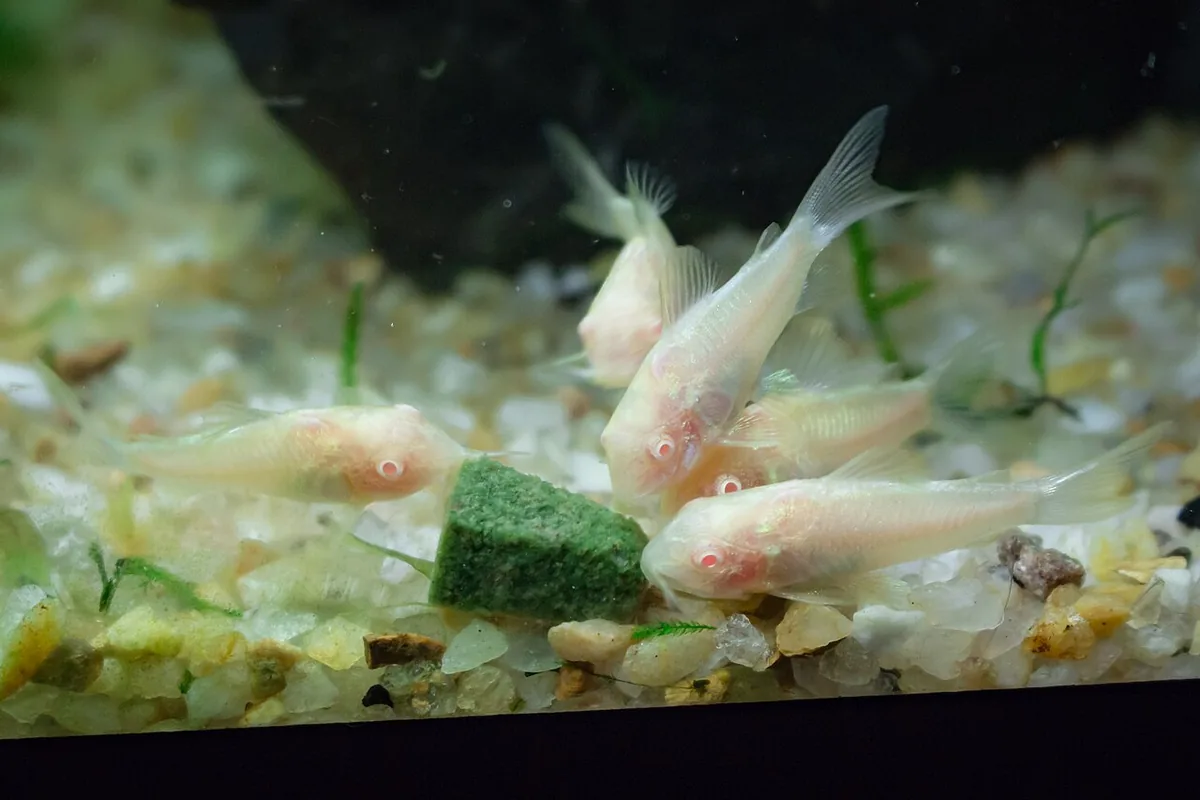
- Rapid breathing, one gill held partly closed, or spending time near flow.
- Rubbing on objects, sudden dashing, clamped fins, or excess mucus.
- Fish may eat less or isolate if irritation is heavy.
Most useful clues
- Rapid breathing or one gill held partly closed.
- Flashing, rubbing, mucus, or sudden dashing.
- Staying near flow or surface when gills are irritated.
Same-day concern
What to check first
Review quickly if breathing is labored, fish gasp at the surface, or multiple fish show gill distress.
- Test ammonia and nitrite immediately.
- Check oxygenation, temperature, and whether several fish are affected.
- Look for mucus, red gills, flashing, dusting, or visible parasites.
Possible causes
- Parasites introduced with new fish or moved by wet equipment.
- Crowding or stress allowing parasite numbers to build.
- Water-quality irritation being mistaken for parasites.
How to tell it apart
- Abnormal tests, red gills, or multiple fish affected.
- Only one fish with parasite exposure and normal water readings.
- Dusty sheen with rapid breathing and clamped fins.
- No sheen, but mucus and one-gill irritation are prominent.
What to check next
- Test ammonia, nitrite, nitrate, temperature, and pH, because water stress can mimic or worsen many disease signs.
- Compare breathing signs across multiple fish and species in the tank.
- Look for visible mucus, flashing, or gill redness.
Care steps to consider
- Do not skip water testing; ammonia and nitrite can also cause gill distress.
- If parasite signs fit, review treatment safety for the tank's species before using products.
- Seek expert help for severe breathing distress or repeated parasite outbreaks.
Photo checklist
- Record breathing rate and gill movement.
- Show gill color, mucus, and posture.
- Include water-test results if gasping or rapid breathing is present.
Common mistakes to avoid
- Assuming flukes without testing ammonia and nitrite.
- Waiting for visible worms; gill flukes are usually not photo-confirmable.
Species and tank notes
- New fish and crowded systems can raise parasite risk.
- Gill problems can become serious before external body signs are obvious.
When to get expert help
- Labored breathing, surface gasping, or fish collapsing should be treated as urgent.
- Gill-related problems can become serious before external signs are obvious.
Prevention tips
- Quarantine new fish and avoid sharing wet tools between tanks.
- Keep oxygenation strong and stocking reasonable.
Related guides
Related symptoms
FAQ
Frequently asked questions
01Can I see gill flukes in a photo?+
Usually not reliably. Behavior, breathing, mucus, and professional microscopy may be more informative than a photo alone.
02Are rapid breathing and gasping always flukes?+
No. Low oxygen, ammonia, nitrite, velvet, temperature, or stress can cause similar signs.
03What should I check first for Gill Flukes in Fish?+
Start with this check: Test ammonia/nitrite before assuming gill parasites. Then compare the visible signs with behavior and tank history before relying on a photo match.
04When is Gill Flukes in Fish urgent?+
Review quickly if breathing is labored, fish gasp at the surface, or multiple fish show gill distress.
05What can look similar to Gill Flukes in Fish?+
Compare it with Ammonia or nitrite stress, Velvet disease. The key is to match the full pattern: body area, behavior, breathing, spread speed, and water-test context.
06What photos help review Gill Flukes in Fish?+
Record breathing rate and gill movement. Also check show gill color, mucus, and posture.
07What common mistake should I avoid with Gill Flukes in Fish?+
Assuming flukes without testing ammonia and nitrite. Also check waiting for visible worms; gill flukes are usually not photo-confirmable.
Fish Disease Identifier provides educational guidance and possible matches from photos. Results are not veterinary advice and may be wrong. For severe, worsening, or unclear symptoms, consult an aquatic veterinarian or experienced aquarium professional.
Review notes
Sources and limits
This guide is educational and helps narrow possible matches. It is not a veterinary diagnosis, and urgent breathing, swelling, collapse, or tank-wide distress should not wait for photo confirmation.
Read more about safety limits and educational use on the About page.
Last content review: 2026-07-01
Fish Disease Identifier
Still not sure what your fish has?
Scan a photo in Fish Disease Identifier and get likely disease matches, possible causes, and next steps to consider.
Educational only. Not veterinary advice.