

Common signs
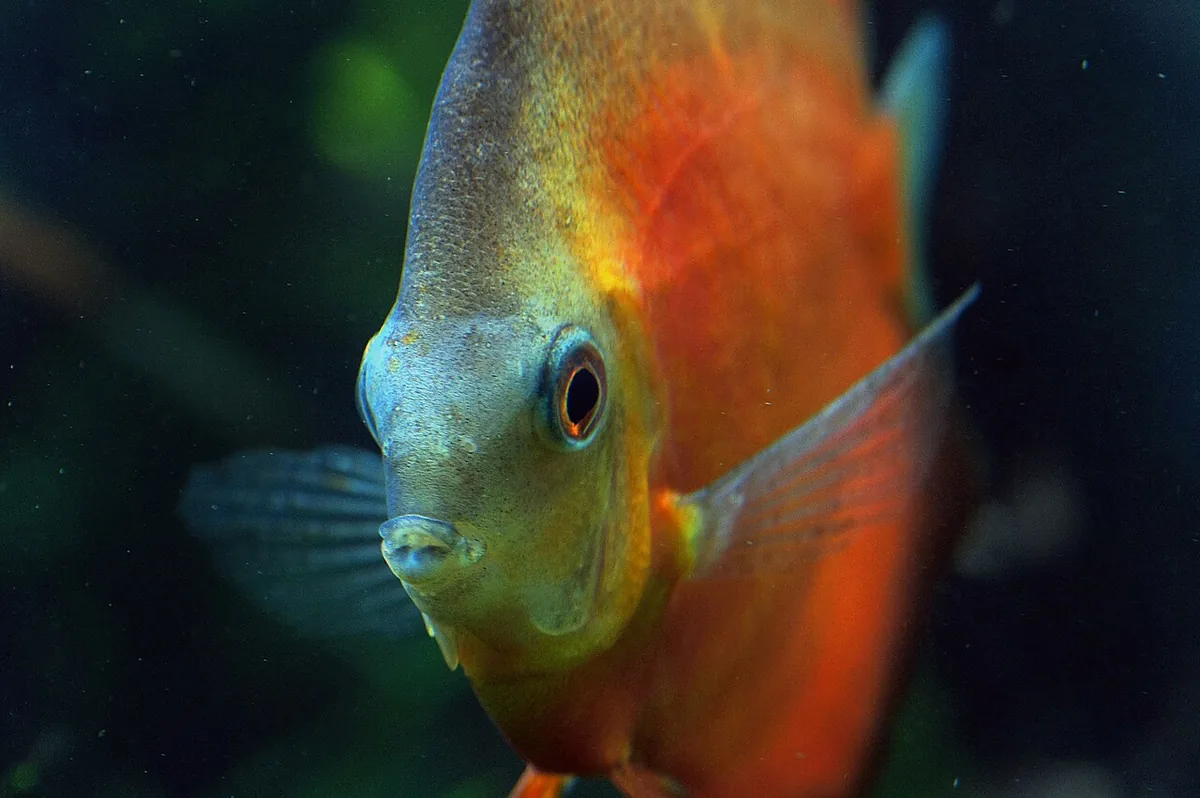
- One or both eyes appear enlarged, bulging, or protruding from the socket.
- Cloudiness, redness, or a ring of swelling may appear around the eye.
- The fish may have trouble seeing, feeding, or avoiding tank mates.
Most useful clues
- One or both eyes appear enlarged or protruding.
- Cloudiness, redness, or swelling may surround the eye.
- The fish may struggle to see or feed normally.
Same-day concern
What to check first
Review the same day when both eyes are swollen, the fish is lethargic, body swelling appears, or feeding is affected.
- Test ammonia, nitrite, nitrate, temperature, and pH, because water stress can mimic or worsen many disease signs.
- Decide whether one eye or both eyes are involved.
- Look for body swelling, sores, red marks, and aggressive tank mates.
Possible causes
- Physical injury from collisions, fighting, or handling.
- Bacterial infection or internal fluid imbalance.
- Water-quality problems or sudden environmental changes.
How to tell it apart
- Milky or hazy eye surface without obvious bulging.
- Clear protrusion from the socket points toward popeye.
- Both eyes swollen with body swelling, lethargy, or raised scales.
- Single-eye swelling after trauma is more likely local injury.
What to check next
- Test ammonia, nitrite, nitrate, temperature, and pH, because water stress can mimic or worsen many disease signs.
- Decide whether one eye or both eyes are affected; this can change the likely cause.
- Look for body swelling, sores, red marks, and aggressive tank mates.
Care steps to consider
- Reduce stress and protect the fish from bullying while checking the cause.
- Correct water problems and compare with cloudy eye or dropsy signs.
- Seek expert help if both eyes are involved, swelling is severe, or the fish declines.
Photo checklist
- Photograph the fish from the front and both sides.
- Show whether one or both eyes protrude.
- Include body shape and scales if swelling is present.
Common mistakes to avoid
- Treating a one-eye injury like a whole-tank infection without checking trauma.
- Ignoring body swelling when both eyes are involved.
Species and tank notes
- Large-eyed species can be more prone to visible eye trauma.
- Aggressive tank mates can worsen eye injuries before healing starts.
When to get expert help
- Two swollen eyes plus lethargy or body swelling can indicate a serious systemic problem.
- Eye injuries can worsen if the fish is chased or kept in poor water.
Prevention tips
- Avoid rough handling and remove collision hazards.
- Keep water stable and choose compatible tank mates.
Related guides
Related symptoms
FAQ
Frequently asked questions
01Is popeye always an infection?+
No. One swollen eye is often linked to injury, while both eyes can suggest a wider health or water-quality issue.
02Can Fish Disease Identifier tell why the eye is swollen?+
It can suggest possible matches and checks, but it cannot confirm the cause with certainty from a photo.
03What should I check first for Popeye in Aquarium Fish?+
Start with this check: Check whether one eye or both eyes are swollen. Then compare the visible signs with behavior and tank history before relying on a photo match.
04When is Popeye in Aquarium Fish urgent?+
Review the same day when both eyes are swollen, the fish is lethargic, body swelling appears, or feeding is affected.
05What can look similar to Popeye in Aquarium Fish?+
Compare it with Cloudy eye, Dropsy or systemic illness. The key is to match the full pattern: body area, behavior, breathing, spread speed, and water-test context.
06What photos help review Popeye in Aquarium Fish?+
Photograph the fish from the front and both sides. Also check show whether one or both eyes protrude.
07What common mistake should I avoid with Popeye in Aquarium Fish?+
Treating a one-eye injury like a whole-tank infection without checking trauma. Also check ignoring body swelling when both eyes are involved.
Fish Disease Identifier provides educational guidance and possible matches from photos. Results are not veterinary advice and may be wrong. For severe, worsening, or unclear symptoms, consult an aquatic veterinarian or experienced aquarium professional.
Review notes
Sources and limits
This guide is educational and helps narrow possible matches. It is not a veterinary diagnosis, and urgent breathing, swelling, collapse, or tank-wide distress should not wait for photo confirmation.
Read more about safety limits and educational use on the About page.
Last content review: 2026-07-01
Fish Disease Identifier
Still not sure what your fish has?
Scan a photo in Fish Disease Identifier and get likely disease matches, possible causes, and next steps to consider.
Educational only. Not veterinary advice.