Short answer
Check breathing and the whole tank first. Record when symptoms began, how much water was replaced, the source and treatment of new water, temperature, filter and aeration changes, and test results from both the aquarium and replacement water. Seek urgent experienced help if several fish are distressed or deaths continue.
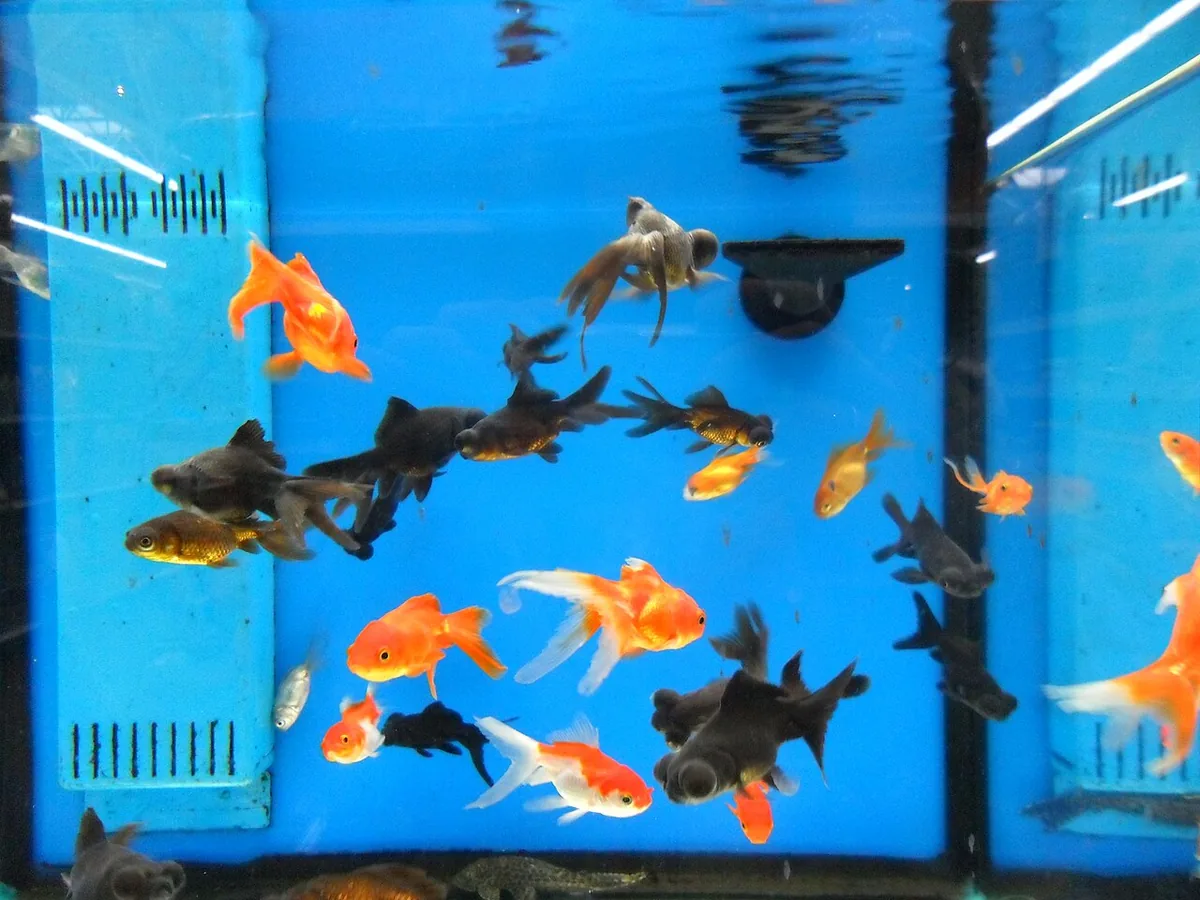
Context image only: this photo does not show a water-change problem or a diagnosed fish.
First, check the fish that are still alive
- Look for surface gasping, unusually fast gill movement, loss of balance, or several fish changing at once. These signs need prompt attention.
- Check that the filter is running and water is moving at the surface. If breathing is distressed, improve aeration while you investigate.
- Test aquarium ammonia, nitrite, pH, and temperature now; note the actual values and test time. If you have a suitable test, check both free and total chlorine in tank and replacement water. Do not wait for a photo to identify a cause.
Reconstruct the water-change timeline
- Write down the volume changed, when the first sign appeared, and whether symptoms affected one fish or the entire tank.
- Record whether replacement water came from a tap, hose, well, or stored container; how it was conditioned; and whether the conditioner covers chlorine and chloramine in your supply.
- Compare the temperature and pH of replacement water with the tank, and test the source water if you can. A single normal tank reading afterward may miss a brief earlier change.
- List everything else done that day: filter-media cleaning or replacement, substrate disturbance, new additives or medicines, livestock additions, and equipment changes.
Possible explanations to investigate
Untreated chlorine or chloramine, a temperature or chemistry shift, disrupted filtration, low oxygen, or an unrelated illness can all fit parts of this timeline. Several changes on the same day make one cause difficult to infer from timing alone.
Ammonia and nitrite can injure fish even when later tests read differently. If the aquarium is new or the filter was recently changed, review the biological filter and keep measuring rather than trusting one snapshot.
What to do next
- Keep a dated log of readings, breathing, appetite, losses, and any corrective changes. Avoid adding several treatments at once while the cause is unclear.
- If a source-water or conditioner error is possible, verify the local water treatment and product instructions before adding more replacement water.
- Get an aquatic veterinarian or experienced aquarium professional involved promptly for severe breathing distress, ongoing losses, or unclear water findings.
Choose your next check
- Fish gasping at the surface →
Use when breathing is the clearest current sign.
- Water parameter checker →
Interpret measured values without turning one reading into a diagnosis.
- Fish dying in a new tank →
Follow this path when the aquarium is in its first weeks.
Sources and review
Content reviewed 2026-09-25. These sources support general fish-health checks; they do not diagnose an individual fish.
Fish Disease Identifier provides educational guidance and possible matches from photos. Results are not veterinary advice and may be wrong. For severe, worsening, or unclear symptoms, consult an aquatic veterinarian or experienced aquarium professional.