
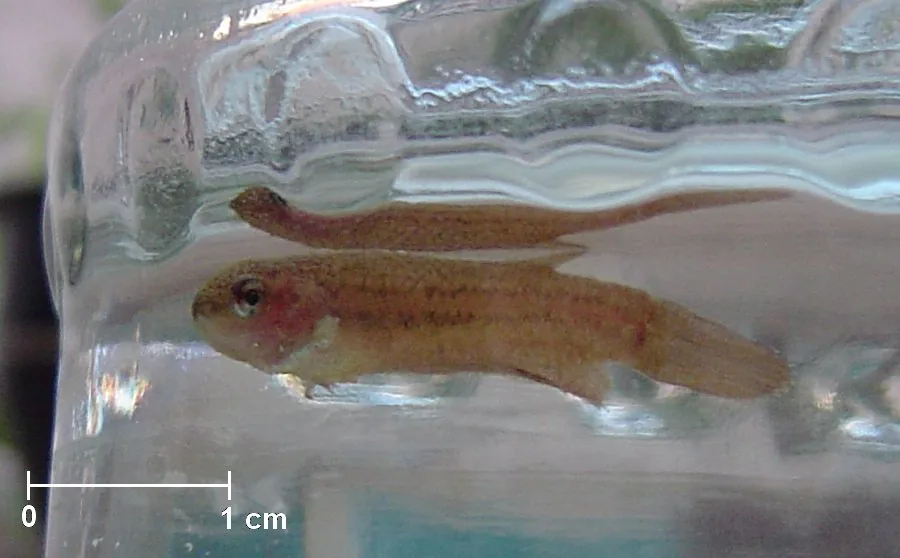


What to look for
- Cotton-like, fuzzy, thread-like, or cloudy white growth.
- Often appears on wounds, fins, mouth, eggs, or irritated skin.
- May come with redness, frayed fins, or reduced appetite.
Most useful clues
- Cottony, fuzzy, thread-like, or cloudy white growth.
- Often attached to a wound, fin edge, mouth area, eggs, or irritated skin.
- May appear with redness, frayed fins, appetite loss, or rapid breathing.
Same-day concern
What to check first
Review the same day. Fast spread, mouth or gill involvement, deep wounds, or lethargy should be treated as urgent because fungus-like and bacterial lesions can overlap.
- Test ammonia, nitrite, nitrate, temperature, and pH.
- Check whether the patch is fluffy, flat, mouth-focused, wound-based, or spreading quickly.
- Inspect for injury sources, aggression, parasites, and fin damage.
Possible causes
- Fungal infection on damaged tissue.
- Columnaris or mouth rot that can mimic fungus.
- Injury, poor water quality, or parasite irritation.
How to tell it apart
- Fluffy cotton-like tufts.
- Attached to damaged tissue.
- White to gray strands.
- Flat saddle-like patch or rapid mouth erosion.
- Flat pale patch, mouth involvement, saddle-like mark, or fast spread with breathing signs.
- Loose fuzzy growth only on a scrape or dead tissue.
- Visible wound, missing scales, recent fighting, or decor scrape.
- Multiple fish develop similar patches without injury signs.
What to check next
- Test ammonia, nitrite, nitrate, temperature, and pH, because water stress can mimic or worsen many disease signs.
- Check whether the patch is fluffy, flat, spreading, or mouth-focused.
- Look for wounds, fin damage, and aggression.
Next steps to consider
- Compare fungus and columnaris pages before selecting treatment.
- Correct water and remove injury sources.
- Seek help if growth spreads quickly or affects the mouth or gills.
Photo checklist
- Show texture clearly: cottony strands versus flat patch.
- Include mouth, gills, fins, and wound area if involved.
- Take a wide tank shot to evaluate hazards, aggression, and water clarity.
Common mistakes to avoid
- Assuming every cottony white patch is true fungus.
- Treating the visible fuzz while ignoring injury, aggression, or poor water quality.
Species and tank notes
- Long-finned fish may develop secondary growth after fin tears or nipping.
- Mouth or gill-area fuzz is more concerning because feeding and breathing may be affected.
When it may be urgent
- Fast-spreading cottony patches can be urgent.
- Mouth or gill involvement needs closer help.
Related guides
Related symptoms
FAQ
Frequently asked questions
01Is fuzzy white growth always fungus?+
No. Some bacterial conditions can look cottony, so compare texture, location, and speed.
02Can poor water cause fuzzy growth?+
Poor water can damage tissue and make secondary growth more likely.
03What should I check first for Fuzzy White Growth on Fish?+
Start with this check: Compare fluffy growth with flat columnaris-like patches. Then compare the visible signs with behavior and tank history before relying on a photo match.
04When is Fuzzy White Growth on Fish urgent?+
Review the same day. Fast spread, mouth or gill involvement, deep wounds, or lethargy should be treated as urgent because fungus-like and bacterial lesions can overlap.
05What can look similar to Fuzzy White Growth on Fish?+
Compare it with Fungal or water mold growth, Columnaris-like bacterial lesion, Injury with secondary growth. The key is to match the full pattern: body area, behavior, breathing, spread speed, and water-test context.
06What photos help review Fuzzy White Growth on Fish?+
Show texture clearly: cottony strands versus flat patch. Also check include mouth, gills, fins, and wound area if involved.
07What common mistake should I avoid with Fuzzy White Growth on Fish?+
Assuming every cottony white patch is true fungus. Also check treating the visible fuzz while ignoring injury, aggression, or poor water quality.
Fish Disease Identifier provides educational guidance and possible matches from photos. Results are not veterinary advice and may be wrong. For severe, worsening, or unclear symptoms, consult an aquatic veterinarian or experienced aquarium professional.
Review notes
Sources and limits
This guide is educational and helps narrow possible matches. It is not a veterinary diagnosis, and urgent breathing, swelling, collapse, or tank-wide distress should not wait for photo confirmation.
Read more about safety limits and educational use on the About page.
Last content review: 2026-07-01
Fish Disease Identifier
Still not sure what your fish has?
Scan a photo in Fish Disease Identifier and get likely disease matches, possible causes, and next steps to consider.
Educational only. Not veterinary advice.