

What to look for
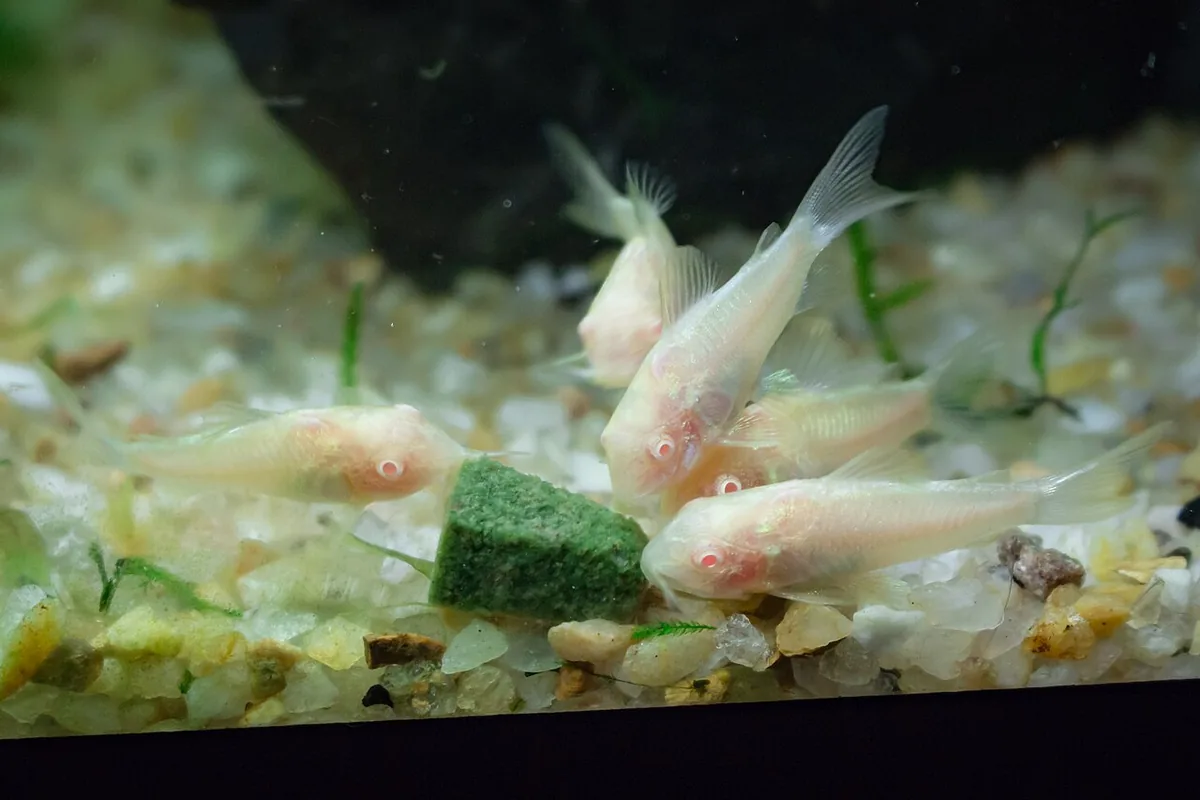
- Gills look brighter red, inflamed, or irritated.
- Rapid breathing, gasping, or staying near water flow.
- Clamped fins, lethargy, or multiple fish affected.
Most useful clues
- Gills look brighter red, inflamed, or irritated.
- Rapid breathing, gasping, or staying near water flow.
- Clamped fins, lethargy, or multiple fish affected.
Same-day concern
What to check first
Check the same day. Red gills plus gasping, rapid breathing, or multiple fish affected should be treated as urgent water/oxygen triage.
- Test ammonia and nitrite right away.
- Check aeration, surface movement, temperature, and filter flow.
- Look for rubbing, dusting, mucus, or other parasite signs.
Possible causes
- Ammonia or nitrite exposure.
- Low oxygen, high temperature, or poor aeration.
- Gill flukes, velvet, parasites, or chemical irritation.
How to tell it apart
- Abnormal tests, new tank, filter crash, or several fish affected.
- One fish with visible parasite signs and normal tests.
- Flashing, mucus, dusting, or recent new fish.
- Sudden tank-wide distress after oxygen or filter failure.
What to check next
- Test ammonia and nitrite right away.
- Check aeration, surface movement, temperature, and filter flow.
- Look for rubbing, dusting, or other parasite signs.
Next steps to consider
- Treat water-quality problems as the first urgent check.
- Increase oxygenation if fish are breathing fast.
- Get help if red gills come with gasping or fish collapsing.
Photo checklist
- Show gill color and breathing rate.
- Photograph water-test results.
- Include surface agitation and filter flow.
Common mistakes to avoid
- Trying to identify disease from gill color before testing ammonia and nitrite.
- Ignoring low oxygen when fish also gasp or stay near flow.
Species and tank notes
- Gill color varies by fish, but sudden redness with breathing changes matters.
- Warm or crowded tanks can make oxygen stress worse.
When it may be urgent
- Red gills plus gasping can be urgent.
- Many fish affected at once suggests a tank-wide issue.
Related guides
Related symptoms
FAQ
Frequently asked questions
01Can red gills be normal?+
Gill color varies, but sudden redness with breathing changes should be checked.
02Why test ammonia first?+
Ammonia can damage gills quickly and photos cannot confirm or rule it out.
03What should I check first for Red Gills on Fish?+
Start with this check: Test ammonia/nitrite and check aeration. Then compare the visible signs with behavior and tank history before relying on a photo match.
04When is Red Gills on Fish urgent?+
Check the same day. Red gills plus gasping, rapid breathing, or multiple fish affected should be treated as urgent water/oxygen triage.
05What can look similar to Red Gills on Fish?+
Compare it with Ammonia or nitrite irritation, Gill parasites or velvet. The key is to match the full pattern: body area, behavior, breathing, spread speed, and water-test context.
06What photos help review Red Gills on Fish?+
Show gill color and breathing rate. Also check photograph water-test results.
07What common mistake should I avoid with Red Gills on Fish?+
Trying to identify disease from gill color before testing ammonia and nitrite. Also check ignoring low oxygen when fish also gasp or stay near flow.
Fish Disease Identifier provides educational guidance and possible matches from photos. Results are not veterinary advice and may be wrong. For severe, worsening, or unclear symptoms, consult an aquatic veterinarian or experienced aquarium professional.
Review notes
Sources and limits
This guide is educational and helps narrow possible matches. It is not a veterinary diagnosis, and urgent breathing, swelling, collapse, or tank-wide distress should not wait for photo confirmation.
Read more about safety limits and educational use on the About page.
Last content review: 2026-08-18
Fish Disease Identifier
Still not sure what your fish has?
Scan a photo in Fish Disease Identifier and get likely disease matches, possible causes, and next steps to consider.
Educational only. Not veterinary advice.